Customers no longer think in terms of physical and digital shopping. They might discover a product on Instagram, check its availability through a mobile app, visit a nearby store to see it in person, place an order for home delivery, approve a product substitution, earn loyalty points, and later contact customer support. To the customer, this is one seamless relationship with the retailer — not a series of disconnected channels.
Behind the scenes, however, many retailers still operate with fragmented systems and isolated customer experiences. Inventory lives in one platform, loyalty in another, e-commerce in a third, and in-store operations somewhere else. The result is friction, inconsencies, and missed opportunities.
This is where phygitization changes the game: by unifying physical and digital commerce into a single, connected retail experience.
From multichannel to omnichannel
Multichannel retail gives customers multiple ways to shop — stores, websites, mobile apps, click & collect, home delivery, and even social commerce.
Omnichannel retail is different. It’s not about having more channels. It’s about making every channel work as one.
A customer should be able to:
- Browse online and buy in-store.
- Start a shopping cart on mobile and finish it on desktop.
- Earn and redeem loyalty points everywhere.
- See the same prices, promotions, inventory, and product information regardless of where they shop.
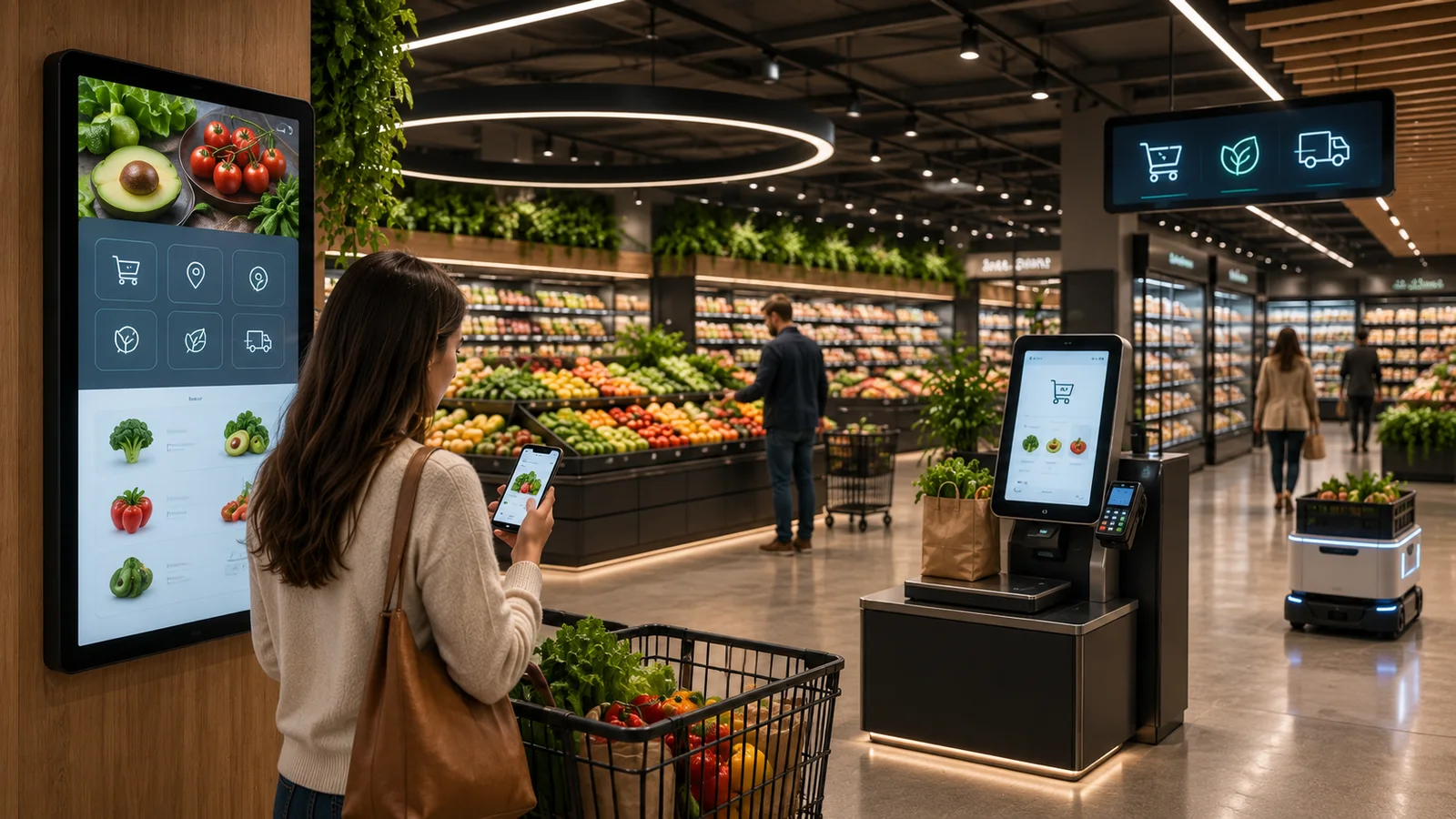
When that happens, the customer doesn’t experience channels — they experience one brand. The result is a single, connected retail ecosystem where every interaction builds on the previous one.
The store is no longer separate from digital
Most retailers invest heavily in their mobile app or website. But the customer experience doesn’t begin there — and it certainly doesn’t end at checkout.
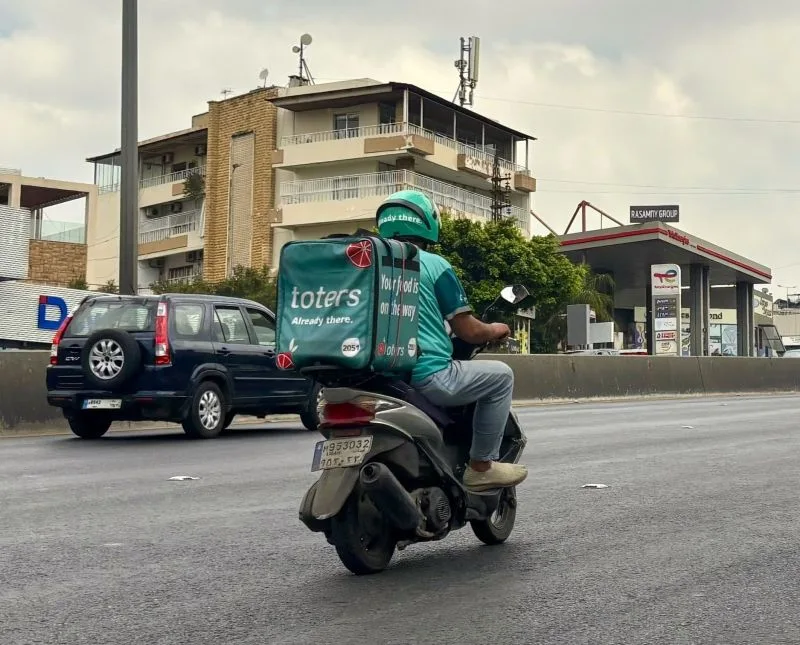
The moment an order is placed, the digital world hands over to the physical one. Inventory must be confirmed, store teams start picking, substitutions may need structured process, and delivery has to be coordinated.
When these systems don’t talk to each other, customers notice. Items are suddenly unavailable, delivery windows change, and support teams struggle to explain what happened.
That’s why omnichannel isn’t just about having a great online store interface. It’s about making the store itself part of the digital journey.
Nothing damages trust faster than inconsistency
If a product is available online but missing from the shelf, or if prices differ between channels, customers immediately lose confidence.
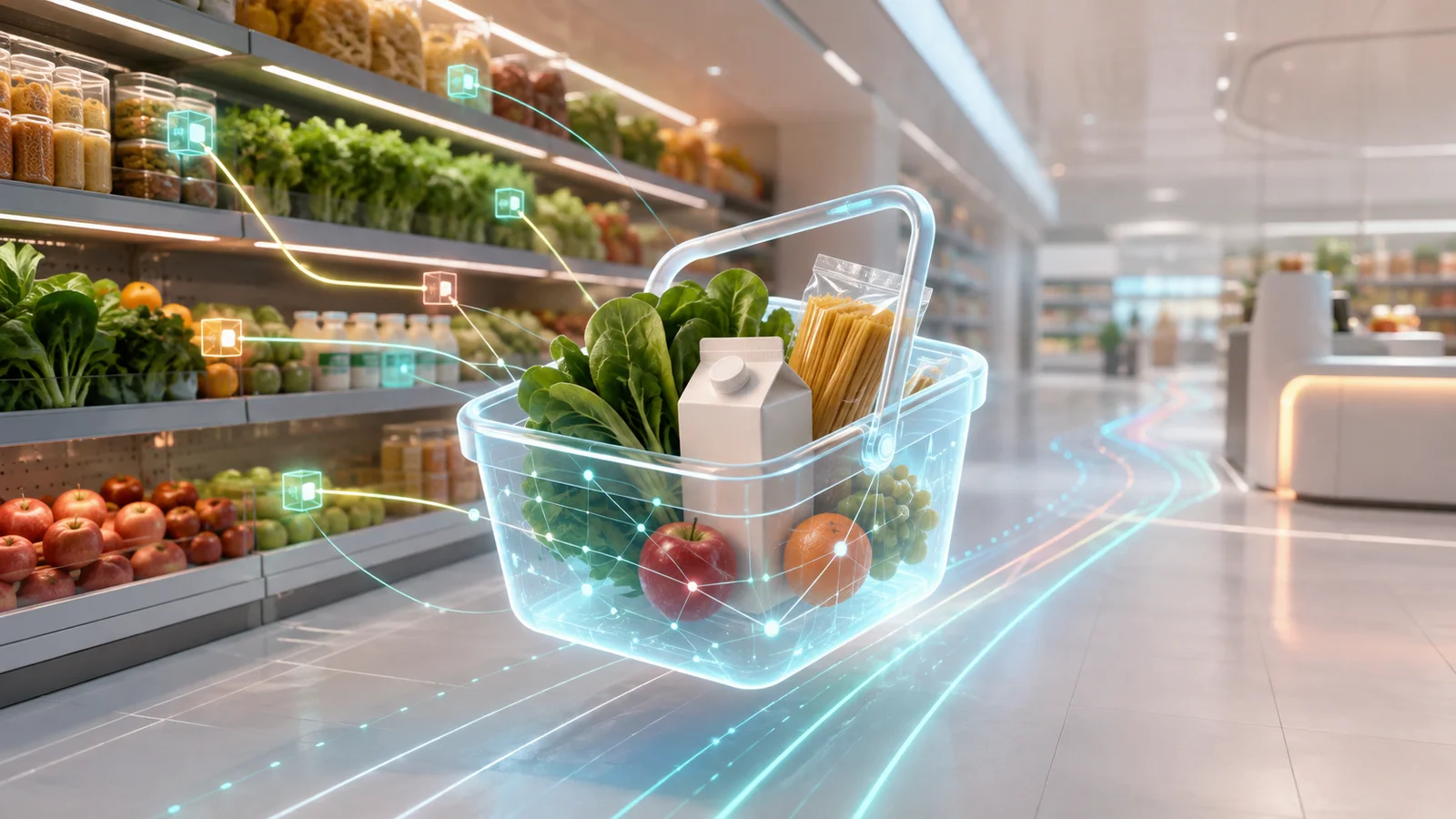
In grocery retail, where prices and inventory change every minute, keeping digital and physical shelves synchronized isn’t simply a technical challenge — it’s a business requirement.
Customers don’t care which system made the mistake. They only remember that the retailer got it wrong.
Checkout isn’t the finish line
For retailers, checkout is where the real work begins.
Orders need to be picked, substitutions managed, routes optimized, and deliveries completed on time. The smoother this process is, the more invisible it becomes to the customer.
That’s exactly the goal.
One Customer, One Relationship
Customers don’t think in channels. They don’t see separate online and offline identities.
They simply expect the retailer to recognize them. Whether they’re shopping in-store, ordering online, earning loyalty points, or contacting support, every interaction should feel like part of the same conversation.
That’s what connected commerce makes possible.
Connected data also enables retailers to personalize offers, predict demand, automate operations, and increasingly leverage AI to make smarter business decisions.
The Real Meaning of Phygitization
Phygitization isn’t about replacing physical stores with technology.
It’s about making physical and digital work together so naturally that customers stop noticing the difference.
When stores, inventory, fulfillment, delivery, loyalty, and customer data all operate as one ecosystem, omnichannel stops being a strategy.
It simply becomes the way retail works.
About Suppy
At Suppy, we believe retailers shouldn’t have to stitch together dozens of disconnected systems to deliver a modern shopping experience.
That’s why we built a unified retail platform that connects customer apps, e-commerce, physical stores, inventory, fulfillment, last-mile delivery, CRM, loyalty, marketing, analytics, and AI-powered insights into one seamless ecosystem.
Whether you’re launching digital commerce or transforming an existing retail operation, our goal is simple: help retailers deliver one connected experience — from the first click to the final delivery.
Do it once. Do it right.