The future of grocery retail belongs to retailers that connect their stores, digital channels, operations, and customer data into one seamless experience.
For decades, grocery retail remained one of the least disrupted areas of commerce. While industries such as fashion, electronics, and travel rapidly embraced digital transformation, supermarkets continued to rely primarily on physical stores.
That model has fundamentally changed.
In 2026, digital commerce is no longer an additional sales channel or a competitive advantage reserved for innovative retailers. It has become part of the operating system of modern grocery retail.
Consumers now expect to discover products online, order from their phones, schedule deliveries, collect loyalty rewards, receive personalized promotions, and communicate with retailers across multiple touchpoints. Whether they complete their purchase online or inside a store is increasingly irrelevant. What matters is that the entire journey feels connected.
For grocery retailers, digital commerce is no longer simply about selling online. It is about remaining relevant, efficient, and competitive.
The Customer has Already Changed
A typical customer may browse weekly offers before visiting a store, check product availability, build a shopping list online, choose home delivery or click-and-collect, and redeem loyalty points during the same journey.
To the customer, these are not separate channels. They are all part of one relationship with the retailer.
When e-commerce, stores, loyalty, delivery, marketing, and customer service operate independently, customers experience the friction. Prices may not match, inventory may be inaccurate, promotions may differ, and customer service teams may lack visibility into previous interactions.
Customers do not care how many systems a retailer operates. They care that the experience works.
Experience is the New Competitive Advantage
Price will always matter in grocery retail, but convenience, reliability, and personalization increasingly influence where customers shop.
Accurate inventory, simple ordering, dependable fulfilment, relevant promotions, and flexible delivery options can be as important as price.
The retailers delivering these experiences are not necessarily the largest. They are often the most connected.
Digital commerce enables supermarkets to compete through customer experience instead of relying exclusively on discounts. In a market where retailers sell many of the same products, a better experience becomes a powerful differentiator.
Stores are Becoming Smarter
Digital commerce is not replacing physical stores. It is making them more valuable.
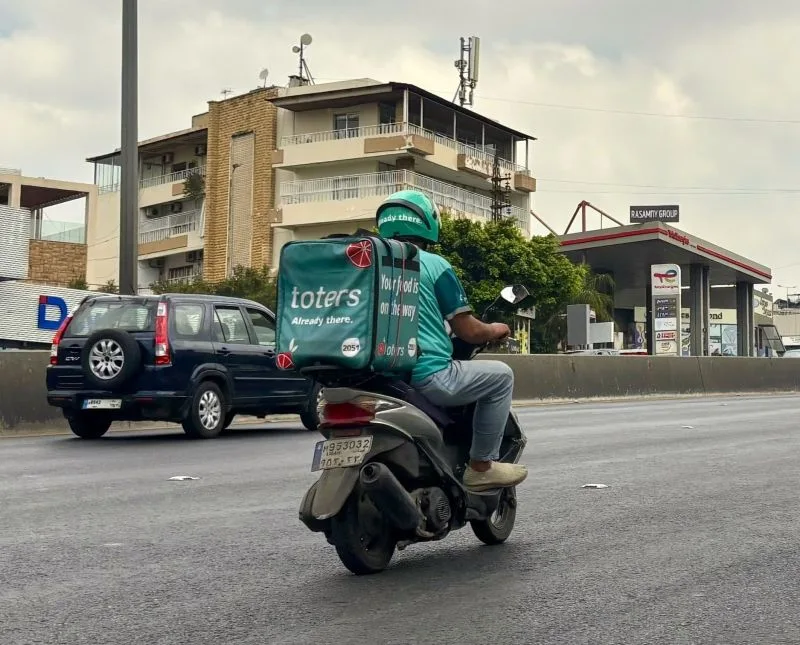
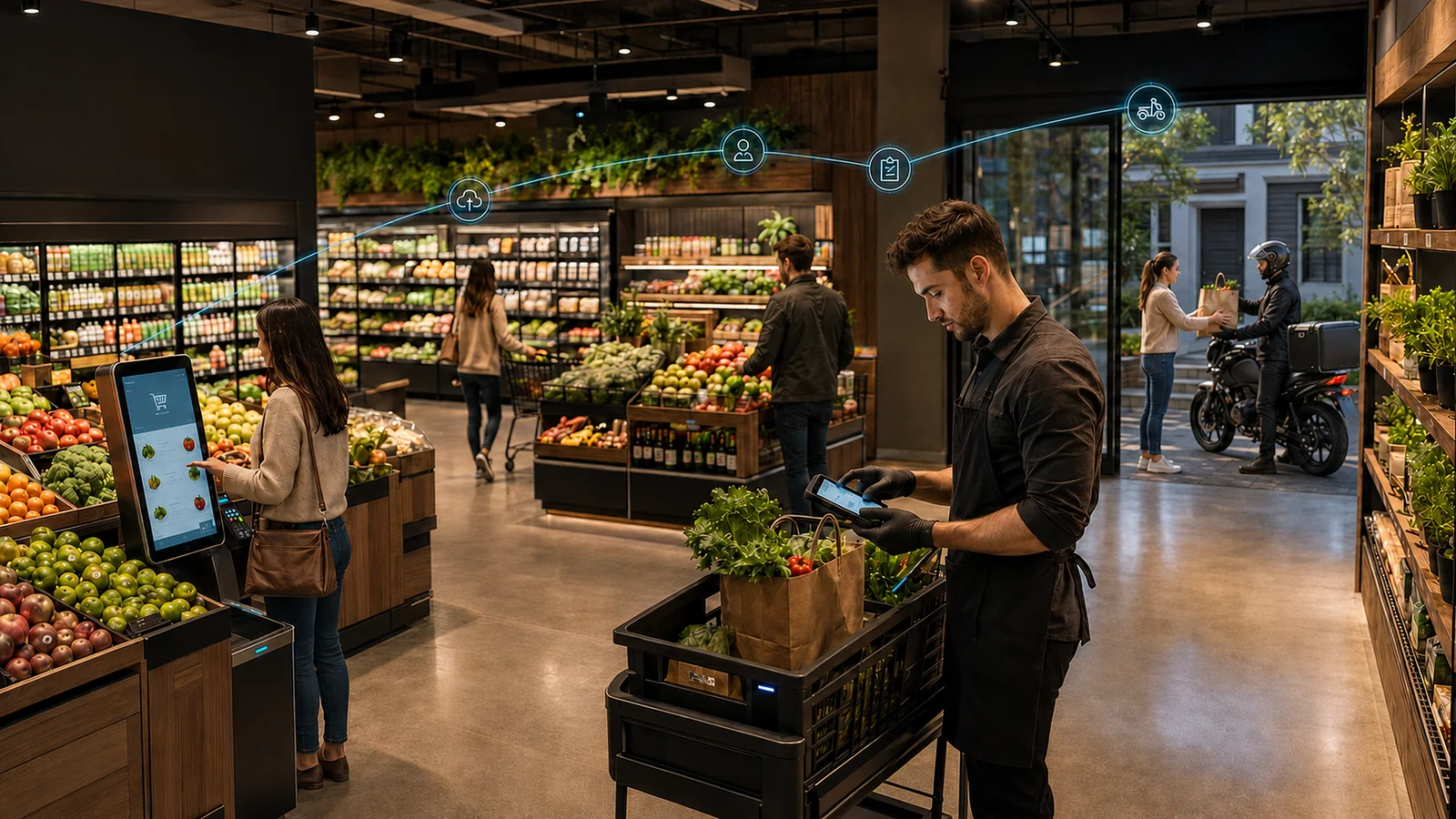
Modern stores can operate as shopping destinations, click-and-collect points, local delivery hubs, fulfilment centres, and customer service locations at the same time.
The opportunity lies in connecting these roles. Store inventory can fulfil online orders, digital activity can improve in-store promotions, and loyalty benefits can remain consistent across every channel.
Physical and digital retail are no longer separate businesses. They are two parts of the same operation.
Data has Become the Most Valuable Shelf
Every interaction generates useful information about shopping frequency, product preferences, basket composition, price sensitivity, substitutions, abandoned baskets, and seasonal demand.
When this data is fragmented, its value is limited. When it is connected, retailers can make better decisions.
Promotions become more relevant. Inventory becomes more accurate. Demand forecasting improves. Food waste decreases. Customer relationships become stronger.
Data may be one of the most valuable assets a retailer owns, but only when the business can connect and act on it.
AI Needs Connected Commerce
Artificial intelligence is already helping retailers personalize promotions, forecast demand, optimize replenishment, improve product search, recommend substitutions, and support customer service teams.
However, AI is only as effective as the data behind it.
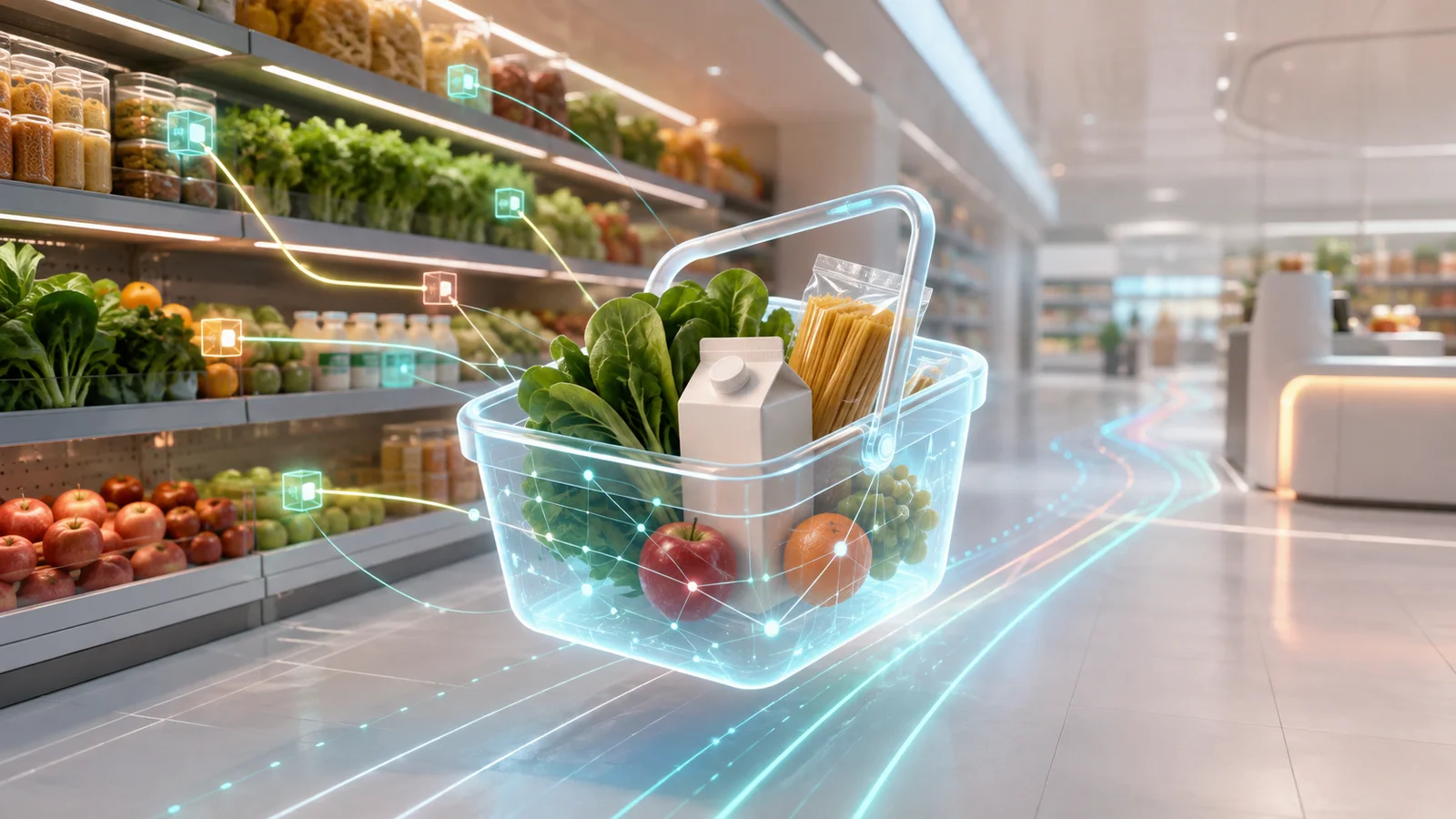
When inventory, customer profiles, pricing, loyalty, and order history exist in separate systems, AI sees only part of the picture.
Connected digital commerce provides the foundation AI needs to deliver meaningful results. Before retailers can become truly AI-driven, they must first become connected.
Operational Excellence Drives Growth
Digital commerce is about more than online revenue. It can improve the efficiency of the entire retail operation.
Retailers can connect and automate product information, inventory synchronization, price updates, promotions, order routing, picking, delivery planning, and customer communication.
This reduces manual work, minimizes errors, lowers costs, and makes the business easier to scale.
In grocery retail, where margins are often tight, even small operational improvements can create significant value.
The Cost of Waiting Is Growing
Customers already compare their grocery experience with the best digital experiences they receive elsewhere.
When retailers fail to provide accurate inventory, simple checkout, reliable fulfilment, or personalized service, customers increasingly move to competitors that can.
The cost of delaying digital transformation is therefore not limited to lost online sales. It affects retention, efficiency, profitability, and long-term competitiveness.
Waiting does not make transformation easier. It only increases the gap between the retailer and its customers.
The Future Is Connected
Grocery retail in 2026 is no longer defined by physical stores versus online stores. It is defined by how effectively retailers connect them.
Successful retailers are bringing stores, e-commerce, mobile applications, inventory, loyalty, payments, fulfilment, customer service, and AI into one connected ecosystem.
Digital commerce is no longer a temporary project. It is the foundation of how modern grocery retailers operate, compete, and grow.
Ready to Accelerate Your Digital Commerce Journey?
Building a connected commerce ecosystem requires more than launching an online store. It requires a platform that brings together every important part of grocery retail, from e-commerce and omnichannel order management to inventory, loyalty, pricing, promotions, fulfilment, payments, and customer engagement.
That is where Suppy comes in.
Suppy is an all-in-one digital commerce platform built specifically for grocery retailers. It helps supermarkets deliver seamless customer experiences, optimize operations, and scale confidently through one connected solution.
Whether you are launching digital commerce for the first time, modernizing legacy systems, or expanding into new markets, Suppy can help you move faster, innovate continuously, and create exceptional shopping experiences across every channel.
Book a free consultancy session with Suppy and discover what connected grocery retail can look like for your business.
The future of grocery retail is connected. Let’s build it together.